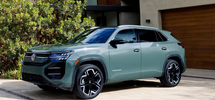
The 2028 Volkswagen ID. Buzz is expected to return to the U.S. market as an updated electric minivan, combining retro-inspired styling with improved technology, charging compatibility, and potentially a more affordable ownership experience.
Volkswagen’s electric Microbus has faced delays and pricing challenges, but its upcoming return could bring meaningful improvements to software, everyday usability, and electric-vehicle practicality while preserving its distinctive personality.
2028 Volkswagen ID. Buzz: What’s New?
The 2028 ID. Buzz is expected to arrive in the United States during the first half of 2027, following Volkswagen’s decision to delay its return from the previously anticipated 2027 model year. The automaker has confirmed several planned updates.
Expected improvements include revised software, digital key functionality, and vehicle-to-load capability, allowing the vehicle’s battery to potentially power compatible external electrical devices. Volkswagen has not yet published a complete 2028 specification sheet.
Exterior Design and Retro Styling
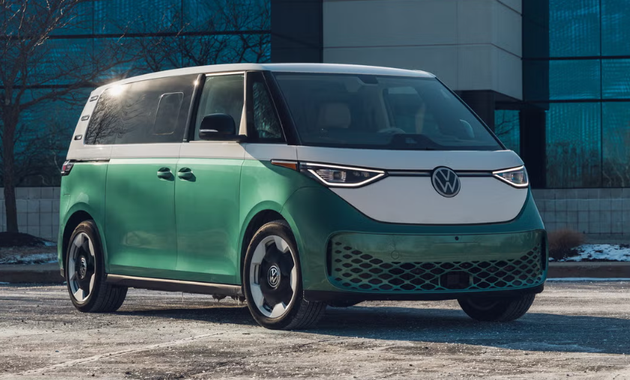
The ID. Buzz stands out with its modern interpretation of the classic Volkswagen Microbus, featuring a boxy silhouette, short front overhang, oversized Volkswagen branding, and distinctive two-tone paint treatments.
Although its recognizable design has been a major attraction, Volkswagen has not confirmed whether the 2028 model will receive significant exterior redesigns. The existing shape remains appealing for buyers who want an electric family vehicle that looks different from conventional SUVs.
Interior, Seating, and Practicality
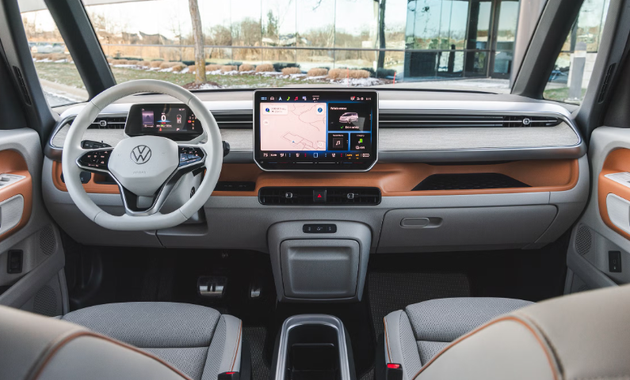
The ID. Buzz is designed around passenger comfort, flexible seating, and spacious cabin packaging. Its van-shaped body provides a practical foundation for family transportation, road trips, and carrying larger items without adopting the traditional SUV layout.
The upcoming model is expected to retain the passenger-focused character of the ID. Buzz, although Volkswagen has not released complete information about 2028 seating configurations, interior materials, cargo measurements, or equipment differences.
Electric Powertrain, Performance, and Range
Volkswagen has not officially announced the 2028 ID. Buzz’s final battery specifications, electric motors, horsepower, torque, EPA range, or charging performance. Buyers should avoid assuming that previous model-year figures will automatically carry over.
The outgoing U.S. model used an all-electric powertrain and offered rear-wheel-drive and all-wheel-drive configurations, depending on trim. However, those specifications should be treated as historical reference rather than confirmed 2028 equipment.
Charging Technology and Vehicle-to-Load
Charging convenience is expected to be an important part of the 2028 update. The ID. Buzz’s planned transition toward North American Charging Standard compatibility should make access to compatible charging networks more convenient for American owners.
Vehicle-to-load functionality is another anticipated addition, potentially allowing the electric van to supply power to external equipment. This capability could make the Buzz more useful for camping, outdoor activities, and mobile applications.
Technology and Connected Features
Volkswagen is expected to improve the ID. Buzz’s digital experience with updated software and additional connected features. Digital key integration could allow compatible smartphones to perform vehicle access functions, reducing dependence on a traditional key.
The software update is particularly important because infotainment responsiveness, navigation usability, smartphone integration, and interface design can significantly influence the daily experience of electric-vehicle owners.
2028 Volkswagen ID. Buzz Price and Release Date
Volkswagen has not announced official 2028 ID. Buzz pricing, final trim levels, or a precise dealership arrival date. The electric van is expected to return to the American market during the first half of 2027 as a 2028 model-year vehicle.
For context, the previous U.S. model started at $61,545 for 2025. That figure is not the confirmed price of the upcoming model, and new pricing could change depending on equipment, production costs, and Volkswagen’s positioning.
Competitors and Buying Considerations
The ID. Buzz competes indirectly with conventional minivans such as the Toyota Sienna and Honda Odyssey, as well as electric family vehicles including the Kia EV9. Its unique styling and spacious passenger-oriented design distinguish it from more conventional electric SUVs.
Potential buyers should weigh its distinctive appearance and all-electric operation against purchase price, driving range, charging access, and long-distance travel requirements. Those considerations will become clearer once Volkswagen publishes official specifications.
Final Thoughts
The 2028 Volkswagen ID. Buzz could become a more compelling electric family vehicle if Volkswagen improves technology, charging convenience, and affordability without sacrificing its unmistakable Microbus-inspired character. Its final specifications and pricing will determine its competitiveness.