The 2027 Volkswagen Atlas enters its second generation with redesigned exterior styling, a more premium interior, upgraded driver-assistance technology, and a revised turbocharged engine. This three-row midsize SUV continues targeting families who prioritize passenger space and everyday practicality.
Volkswagen has confirmed 282 horsepower for the redesigned Atlas, alongside available luxury features such as massaging front seats and a larger infotainment display. With U.S. sales planned for fall 2026, the latest model brings meaningful changes to this family-focused SUV.
What’s New for the 2027 Volkswagen Atlas?
The 2027 Atlas receives a comprehensive redesign rather than a minor refresh. Volkswagen has updated the bodywork, cabin layout, lighting, and technology while retaining the spacious three-row configuration that distinguishes this SUV from smaller crossovers.
Other important changes include a new front-center airbag, expanded IQ.DRIVE driver assistance, available ventilated second-row seats, and dual wireless charging. The revised powertrain also increases horsepower compared with the outgoing 2026 Atlas.
Exterior Design: A Bolder, More Modern SUV
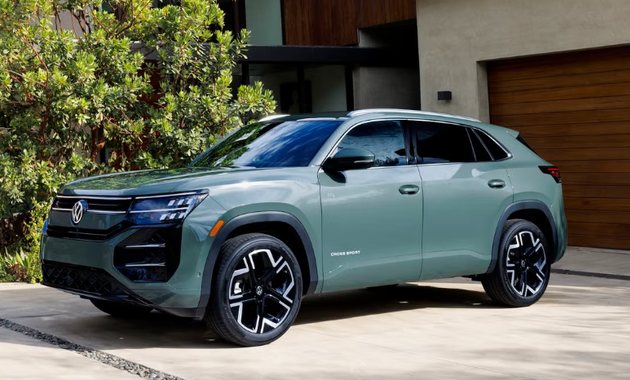
The redesigned exterior maintains the Atlas’s upright, substantial proportions but introduces new body panels, updated LED headlights, and available illuminated lighting elements. These changes give Volkswagen’s three-row SUV a more contemporary appearance without abandoning its recognizable boxy silhouette.
Available equipment includes distinctive illuminated front lighting details and 21-inch alloy wheels on selected configurations. The overall design emphasizes a more upscale presence, although exact exterior equipment depends on the trim and options selected.
Engine and Performance: 282 Horsepower
The 2027 Volkswagen Atlas uses a revised 2.0-liter turbocharged TSI four-cylinder gasoline engine producing 282 horsepower and 258 lb-ft of torque. Compared with the previous model’s 269 horsepower and 273 lb-ft, the new engine prioritizes additional power while delivering less torque.
An eight-speed automatic transmission handles shifting, while front-wheel drive and Volkswagen’s 4MOTION all-wheel-drive system are available depending on configuration. The revised engine makes the Atlas more powerful, but buyers should evaluate the drivetrain and driving conditions when comparing efficiency and capability.
Interior, Seating, and Cargo Space
The cabin receives a substantial upgrade with redesigned materials, ambient lighting, and a more premium presentation. Available real-wood interior decoration and massaging front seats bring additional comfort, while the standard driver’s seat includes expanded adjustment and four-way lumbar support.
The Atlas continues to accommodate families with three rows of seating, offering seven-passenger seating or an available six-passenger arrangement with second-row captain’s chairs. Its generous passenger space and accessible third row remain important advantages for larger households and frequent road trips.
Technology and Infotainment
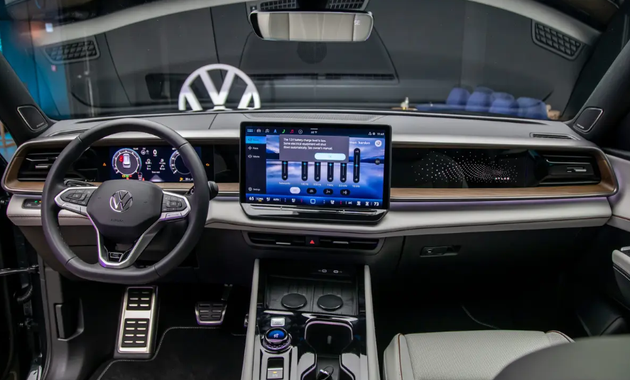
The standard equipment includes a 12.9-inch infotainment touchscreen, a 10.25-inch digital instrument display, wireless charging, and ambient lighting. Higher trims add a 15-inch touchscreen, illuminated exterior details, and additional convenience features for everyday driving.
Available technology includes a head-up display, built-in navigation, and a 14-speaker Harman Kardon audio system on the top trim. Volkswagen also offers a multifunction Driver Experience Dial, providing convenient control over selected cabin settings.
Safety and Driver-Assistance Features
Volkswagen expands its IQ.DRIVE driver-assistance suite with features designed to reduce driving stress. Available systems include Adaptive Cruise Control, Lane Assist, Active Blind Spot Monitor, and Travel Assist, which combines steering support with adaptive cruise control.
The redesigned Atlas also adds a front-center airbag and enhanced emergency assistance technology. Available Park Assist Plus and surround-view camera equipment help with parking, although buyers should verify which systems are standard or optional on their preferred trim.
Fuel Economy and Towing Capacity
EPA-estimated fuel economy reaches 22 mpg city, 29 mpg highway, and 25 mpg combined for front-wheel-drive models. Versions equipped with 4MOTION all-wheel drive are rated at 20 mpg city, 27 mpg highway, and 23 mpg combined.
Towing capacity depends on the configuration. The SE is rated for up to 2,000 pounds, while the SE with Technology and higher trims can tow up to 5,000 pounds when properly equipped with the factory-installed hitch.
2027 Volkswagen Atlas Price and Trim Levels
The U.S. lineup includes four trims, with prices below incorporating Volkswagen’s $1,525 destination charge. These figures provide a clearer starting point for budgeting, although optional equipment, taxes, registration, and dealer charges can increase the final purchase price.
- SE: $43,135 with front-wheel drive; $45,135 with all-wheel drive.
- SE with Technology: $47,135 with front-wheel drive; $49,135 with all-wheel drive.
- SEL R-Line: $53,635 with all-wheel drive.
- SEL Premium R-Line: $58,135 with all-wheel drive.
The SE provides substantial standard equipment, while the SE with Technology adds a larger touchscreen and greater towing capability. The SEL R-Line emphasizes upscale styling and comfort, and the SEL Premium R-Line adds premium upholstery, massaging front seats, and upgraded audio.
Release Date and Availability
Volkswagen has scheduled the redesigned 2027 Atlas to reach U.S. dealerships in fall 2026. Production continues at the company’s Chattanooga, Tennessee, facility, maintaining the model’s connection to the American market and its family-oriented SUV segment.
A hybrid version is not part of the initial gasoline-powered lineup. Volkswagen has indicated that hybrid technology is planned for a future Atlas update, but buyers should not assume that a launch date or final hybrid specifications have been confirmed.
How the New Atlas Compares With Its Rivals?
The Atlas competes with three-row family SUVs such as the Honda Pilot, Hyundai Palisade, Kia Telluride, and Toyota Grand Highlander. Its key selling points are accessible third-row seating, generous cargo capacity, and a strong combination of passenger comfort and towing capability.
The redesigned interior and increased horsepower strengthen its appeal, although the higher starting price deserves consideration. Shoppers should compare standard safety equipment, second-row comfort, fuel economy, and warranty coverage before deciding which family SUV best suits their needs.
Final Verdict
The 2027 Volkswagen Atlas is a substantial step forward, combining more power, updated styling, richer cabin materials, and improved technology with practical three-row versatility. Families seeking space and comfort should shortlist it, particularly when comparing equipment across trims.
For a more detailed buying decision, compare the 2027 Atlas vs. Hyundai Palisade or explore the 2027 Atlas trim levels.