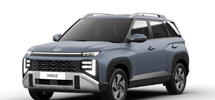
The 2027 Hyundai Tucson Plug-in Hybrid introduces a new generation of Hyundai’s popular compact SUV, combining a redesigned exterior, updated cabin technology, and an improved electrified powertrain. Its global specifications highlight stronger performance and increased electric-driving capability.
For buyers considering a plug-in hybrid SUV, the biggest attractions are its announced 292 PS powertrain and approximately 81-kilometer electric range. However, availability and specifications will depend on individual markets as Hyundai prepares its 2027 rollout.
What’s New for the 2027 Hyundai Tucson Plug-in Hybrid?
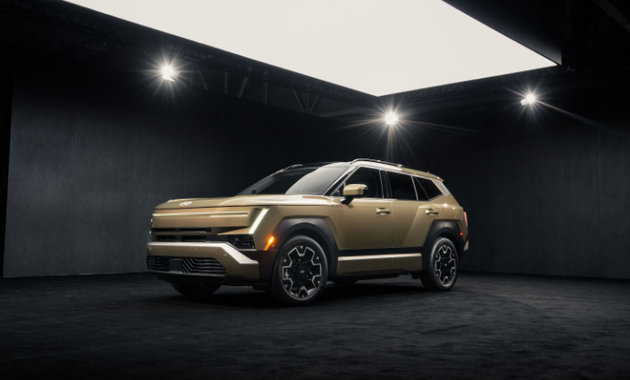
The 2027 model belongs to the fifth-generation Tucson lineup, bringing a substantial redesign rather than a minor annual update. Hyundai introduces its Art of Steel design philosophy, emphasizing sharper surfaces, muscular proportions, and a more distinctive appearance.
The biggest development is the next-generation plug-in hybrid system, which Hyundai has announced with 292 PS of combined power. Its targeted electric range also represents an important improvement in everyday electric-driving potential over earlier versions.
Exterior Design: A More Angular and Modern SUV
The redesigned Tucson adopts a bolder front fascia, muscular wheel arches, crisp body lines, and a wider-looking stance. Its revised lighting elements create a distinctive appearance while maintaining the practical proportions expected from a family-oriented compact SUV.
Hyundai also increases the vehicle’s overall dimensions, with the new generation measuring approximately 185 inches long and 75 inches wide. These changes contribute to a more substantial road presence and potentially improved passenger accommodation.
Plug-in Hybrid Powertrain and Performance
The headline mechanical specification is a plug-in hybrid powertrain producing 292 PS, equivalent to approximately 288 horsepower. It combines a turbocharged gasoline engine with electric assistance, allowing drivers to benefit from electric propulsion and conventional engine operation.
Hyundai has announced a revised electrified powertrain for the new generation, although detailed engine specifications, torque figures, transmission calibration, and market-specific configurations require further confirmation. Buyers should check their regional specifications before making comparisons.
Electric Range, Battery, and Charging
One particularly interesting figure is the announced electric-driving range of approximately 81 kilometers, or 50 miles. This gives the 2027 Tucson Plug-in Hybrid meaningful potential for shorter daily journeys without requiring regular gasoline-engine operation.
However, Hyundai has not established a universally comparable EPA rating for this figure. Testing standards, battery capacity, charging specifications, and actual driving conditions can influence the electric range available in different markets.
Interior Design and Passenger Comfort
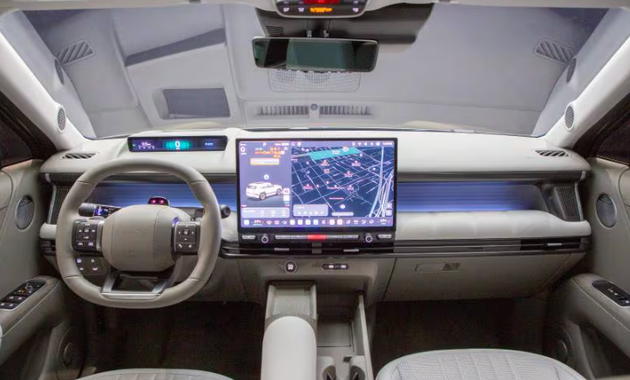
The fifth-generation Tucson receives a completely redesigned interior focused on improved usability, modern technology, and a more spacious atmosphere. Hyundai introduces a cleaner dashboard layout, updated materials, and a new infotainment experience for everyday driving.
Its larger overall dimensions should help support family-friendly practicality, although final passenger measurements and cargo capacity may vary by powertrain. The plug-in hybrid battery packaging could also influence available luggage space compared with conventional versions.
Infotainment and Technology Features
Technology receives considerable attention through Hyundai’s next-generation Pleos Connect infotainment platform. The redesigned system introduces an updated interface, improved processing capabilities, and a more advanced digital experience intended to make navigation and vehicle functions easier.
Hyundai also highlights its Gleo AI voice assistant, designed to provide more natural interactions with vehicle systems. Screen sizes, wireless smartphone connectivity, navigation functions, and available convenience equipment will depend on regional specifications.
Safety and Driver Assistance
The redesigned Tucson lineup introduces additional driver-assistance and safety technology as part of Hyundai’s broader effort to improve everyday driving confidence. These systems are intended to support drivers during highway travel, parking, and potentially challenging road situations.
Nevertheless, the complete 2027 Tucson Plug-in Hybrid safety equipment list has not been confirmed across every market. Buyers should examine the local specification sheet for available collision avoidance, lane assistance, parking technology, and adaptive cruise control.
Expected Price, Trims, and Availability
Hyundai has announced a global rollout of the redesigned Tucson beginning in 2027, with availability varying between countries. The United States is scheduled to receive the redesigned gasoline and conventional hybrid versions in early 2027.
Importantly, Hyundai has not confirmed a 2027 Tucson Plug-in Hybrid for the American market. The announced global PHEV specifications should therefore not be interpreted as confirmation of U.S. availability, pricing, or trim levels.
How It Compares With the Previous Tucson Plug-in Hybrid?
The previous-generation 2026 Tucson Plug-in Hybrid produces a combined 268 horsepower and provides an EPA-estimated 32 miles of electric range. These figures offer useful reference points when evaluating the new generation’s announced performance improvements.
The 2027 model’s 292 PS output and approximately 50-mile electric range suggest meaningful progress. However, differences in measurement standards mean direct range comparisons require equivalent testing before declaring a definitive improvement.
Final Verdict: Is the 2027 Tucson Plug-in Hybrid Worth Waiting For?
The 2027 Hyundai Tucson Plug-in Hybrid looks promising for buyers seeking stronger electrified performance, practical SUV versatility, and improved electric-driving capability. Its redesigned cabin and advanced technology add further appeal, although regional availability and final pricing remain important considerations.