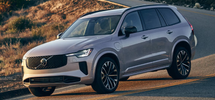
The 2027 Volvo XC40 is attracting attention from buyers researching premium compact SUVs with distinctive Scandinavian styling, practical interiors, and modern safety technology. However, confirmed details about the new model year remain limited.
For shoppers considering their next luxury crossover, the key questions concern available powertrains, equipment, pricing, and potential updates. Volvo’s 2026 XC40 provides useful reference information, but specifications should not automatically be assumed for 2027.
2027 Volvo XC40: What’s New?
As of October 2026, detailed changes for the 2027 model year have not been comprehensively confirmed in Volvo’s publicly available US model information. Buyers should verify equipment, drivetrain availability, and market-specific updates before treating anticipated changes as established facts.
Exterior Design and Interior Comfort
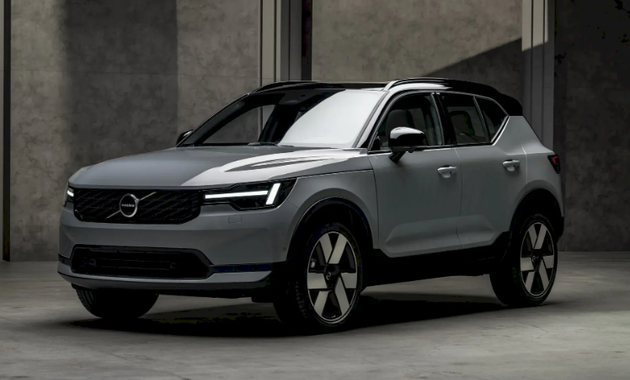
The XC40’s established design combines a compact footprint with a distinctive grille, sculpted bodywork, and signature Volvo lighting. Its upright proportions suit urban driving, while the elevated seating position provides the visibility many crossover buyers appreciate.
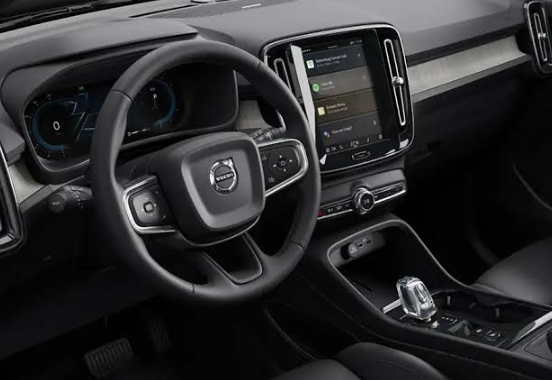
The five-seat cabin emphasizes Scandinavian simplicity, supportive seating, and practical storage solutions. Depending on configuration, the existing model includes a 12.3-inch digital driver display, a central touchscreen, and useful cargo arrangements, although 2027 equipment remains subject to confirmation.
Engine, Performance, and Fuel Economy
The 2026 US-market XC40 provides a useful benchmark with two gasoline mild-hybrid powertrains. The B4 front-wheel-drive version produces 194 horsepower, while the B5 all-wheel-drive configuration delivers 247 horsepower, according to Volvo’s published specifications.
For the B5 AWD, Volvo lists a 0–60 mph acceleration time of 6.1 seconds and estimated combined fuel economy of 26 mpg. The B4 FWD reaches 60 mph in 8.1 seconds and returns an estimated 27 mpg combined; 2027 figures are unconfirmed.
Technology and Safety Features
Google built-in services, including Google Maps and Google Assistant, feature in the current XC40 infotainment system. Apple CarPlay, a digital instrument cluster, and available premium audio add convenience, with specific equipment depending on trim and configuration.
Volvo’s established safety technology includes lane-keeping assistance, collision-mitigation systems, and driver-support features. Higher equipment levels on the existing model can include Pilot Assist and a 360-degree camera, but buyers should confirm which systems are standard or optional for their intended 2027 version.
Expected Price, Trims, and Availability
Volvo has not established a definitive 2027 XC40 US price in the information currently available. For context only, the 2026 model starts at $41,295 for Core, $45,295 for Plus, and $52,645 for Ultra, before applicable taxes and fees.
These figures are previous-model-year reference prices, not confirmed 2027 MSRP figures. Availability, trim names, standard equipment, and pricing can differ between the United States and other markets, so prospective buyers should consult their local Volvo retailer for current ordering information.
How the XC40 Compares With Rivals
The XC40 competes in the premium compact SUV segment against vehicles such as the BMW X1, Audi Q3, and Mercedes-Benz GLA. Its appeal centers on understated styling, a practical five-seat layout, and an emphasis on occupant protection.
Buyers comparing these alternatives should evaluate real-world fuel economy, rear-seat space, cargo capacity, infotainment usability, and warranty coverage alongside purchase price. The best choice depends on whether everyday practicality, driving engagement, technology, or overall ownership costs carries the greatest weight.
Is the 2027 Volvo XC40 Worth Waiting For?
The 2027 Volvo XC40 remains worth monitoring for shoppers who want a compact luxury SUV with approachable dimensions, mild-hybrid performance, and thoughtful cabin design. However, waiting for confirmed pricing and specifications is the sensible move before making a purchase decision.